Built a repeatable Revenue System for 16 service businesses inclusive of tracking, lead flow growth, and increased close rates.
Snapshot
Client: 16 service-based small businesses (names redacted)
Year: 2018
Role: Business Consultant & Coach
Focus areas: Sales systems, marketing execution, customer service, recruiting, project management, service delivery
Engagement window: Week 4–37 (consulting delivered in phases)
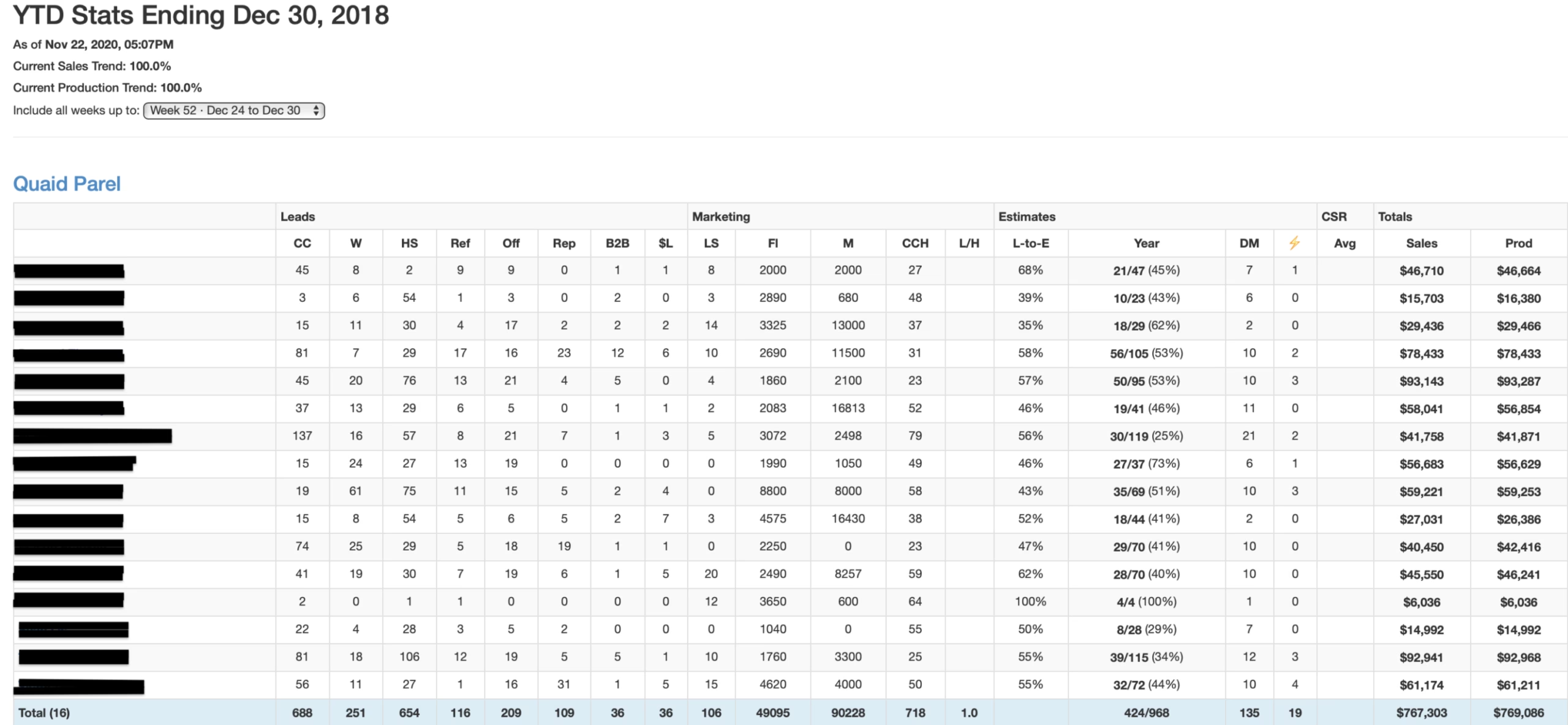
Key outcomes (tracked during the engagement year):
- $767,303 in extra sales
- $769,086 in added production fulfilled
- 968 estimates completed
- 424 jobs sold from those estimates (~44% close rate)
The Problem
This clients came in with the same root issue: revenue instability, driven by inconsistent lead flow and inconsistent conversion. Most weren’t tracking their numbers before onboarding, so they couldn’t answer basic questions like:
- Where do leads come from?
- What happens to leads after they call/message?
- What is our estimate close rate?
- How much revenue is scheduled vs completed?
When you can’t measure the pipeline, you can’t fix it. So the businesses stayed stuck in reactive mode.
The Diagnosis: The Trust Triangle
Across these businesses, the bottleneck wasn’t just marketing. It was trust, built from three things:
- Confidence (showing up clearly and consistently)
- Competence (a repeatable process from lead → estimate → job)
- Trust (proof + follow-through + customer experience)
When those three aren’t working together, you get: fewer leads, lower close rates, and weak referrals.
What We Changed (The Playbook)
This wasn’t “tips and ideas.” It was hands-on implementation across three core pillars.
In each of their markets, it the field.
1) Sales & Marketing Systems (Weeks 4–32)
- Installed consistent lead-handling and follow-up routines
- Improved the estimate process (speed-to-lead, scripting, objection handling, next steps)
- Built basic tracking habits so owners could manage by numbers
- Ran marketing execution where needed (including content + paid/social support)
2) Customer Experience + Service Delivery (Weeks 14–37)
- Tightened customer service and expectation-setting
- Standardized project management and job completion workflows
- Reduced delivery friction (which protects reviews, referrals, and repeat work)
3) Team & Operations Support (Throughout)
- Recruiting and training guidance
- Management coaching + weekly accountability
- Operational planning so growth didn’t break the business
Results (What the Numbers Show)
Because baseline reporting wasn’t consistently tracked prior to onboarding, the growth is reported from the tracked engagement period.
Across the 16 businesses in 2018:
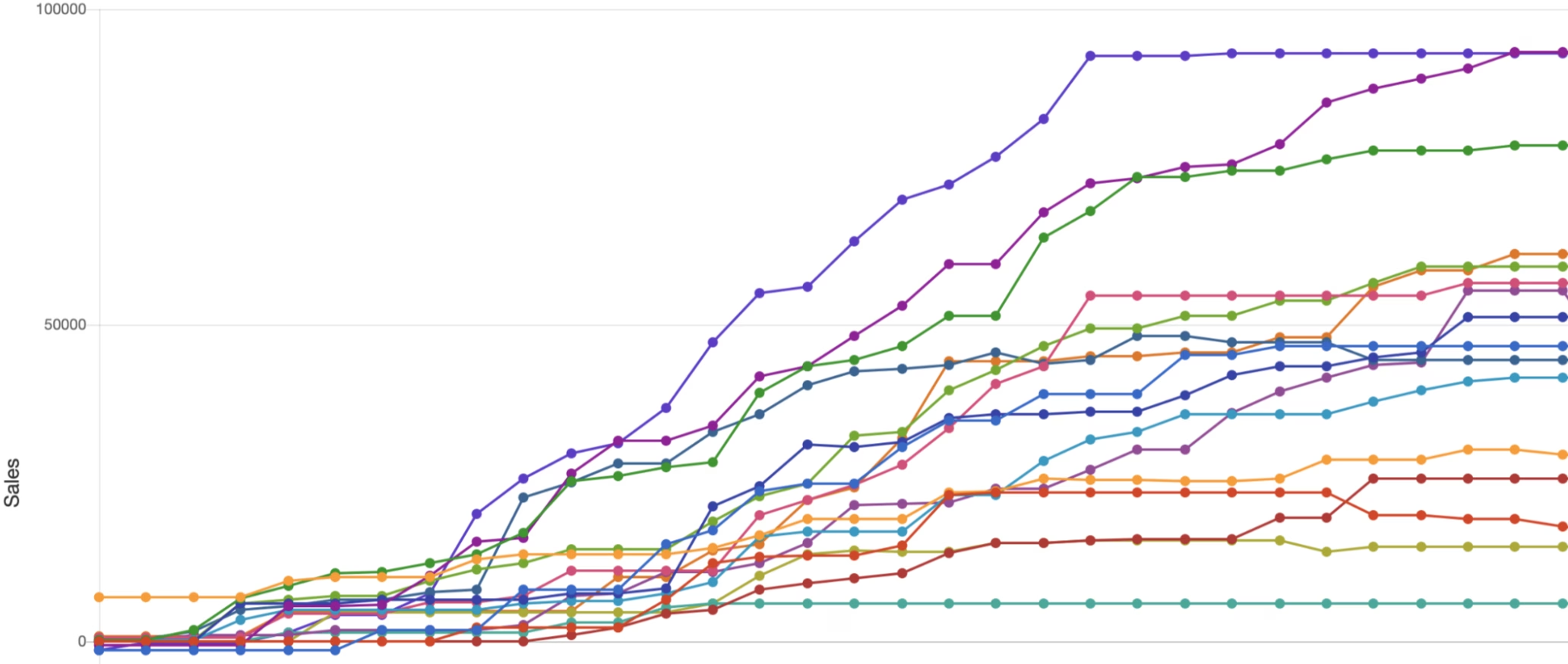
- Sales: $767,303
- Revenue Fulfilled: $769,086
- Estimate Volume: 968 total estimates
- Close Rate: 424 sold / 968 estimates = ~44%
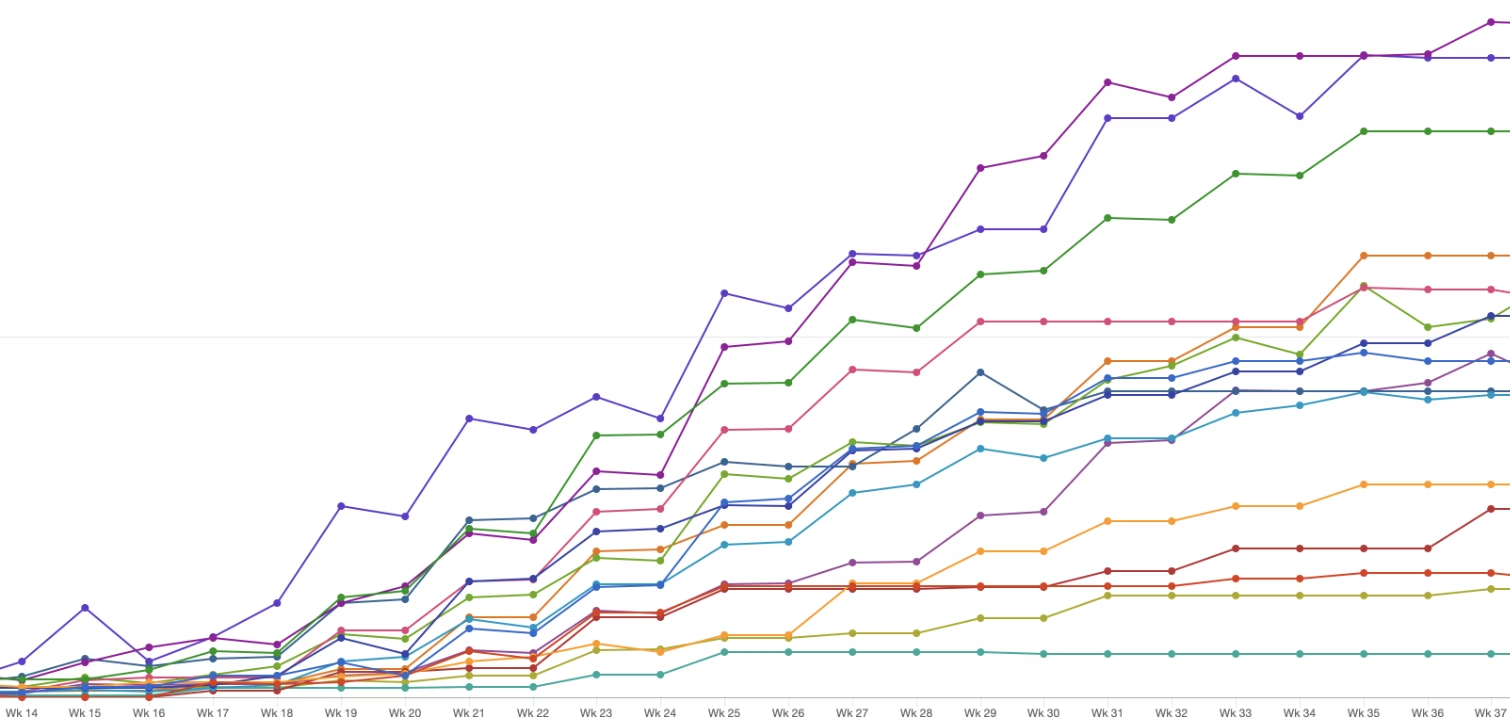
- Visible growth curves across the year in sales, production, and estimates, with the biggest ramp occurring after the consulting phases began (Weeks ~4–19 onward).
Why It Worked
Most small business growth fails because it focuses on only one lever (more leads) without fixing the rest of the pipeline.
This engagement worked because we:
- made performance measurable (tracking + accountability)
- fixed conversion, not just volume (estimate process + follow-up)
- protected fulfillment (service delivery + project management), which preserves reputation and keeps growth sustainable
Call to Action
If you run a service business and your growth feels inconsistent (leads are random, close rate is unclear, delivery is stressful), I can help you build a repeatable system – from lead flow to fulfillment.
Book a quick Discovery Call and I’ll show you what to fix first.