Part 1: Jul 12–30 2025
The Client’s Ask
This client came to us with a very specific problem: they didn’t want their growth to be solely dependant on Google Search. They wanted discoverability that could hold up even if Google traffic dipped – meaning visibility across alternative search engines, plus a footprint that could generate visits internationally (especially the US + international markets).
So we treated their initial engagement like a Diversified SEO Launch Surge: get real traction fast, build a footprint that spreads beyond Google, and prove we could generate sustainable discovery signals.
The Objective (What Success Looked Like)
- Go from “nothing” to measurable search traction quickly (indexing → impressions → clicks).
- Reduce Google dependence by building discoverability that alternative search engines could also crawl, understand, and rank.
- Build a global footprint (US focus, but not limited to one country).
Our Role (Diversified SEO Launch Surge Execution)
Instead of slow-and-steady blog posting, we focused on the fundamentals that help multiple engines trust, crawl, and categorize a site:
- Search-ready site structure: tightened internal linking, clarified page purpose, and improved crawl paths so engines could find key pages quickly.
- Indexation + clarity signals: clean metadata, consistent headings, improved topical relevance, and structured content patterns that are easy for different crawlers to interpret.
- Multi-engine discoverability mindset: built the site so that traffic can still come in even when Google fluctuates (the strategy behind the client’s “reduce Google dependence” goal).
- International discovery support: made sure pages were eligible to rank across markets, not just one local bubble.
Initial Engagement Results (Jul 12–30)
1) From Nothing to a Visible, Click-Generating Footprint
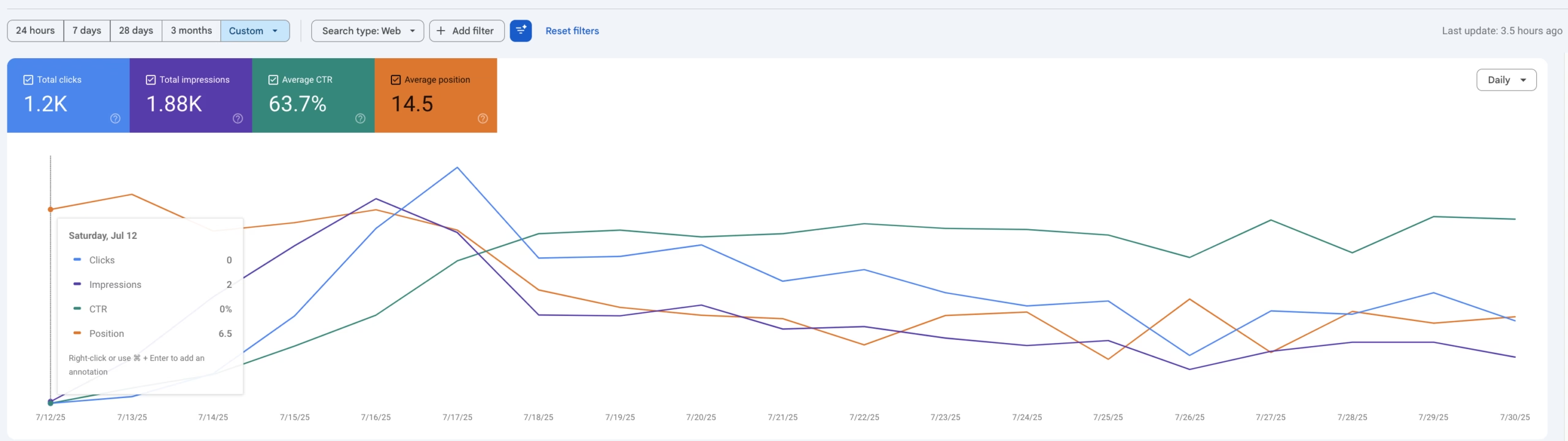
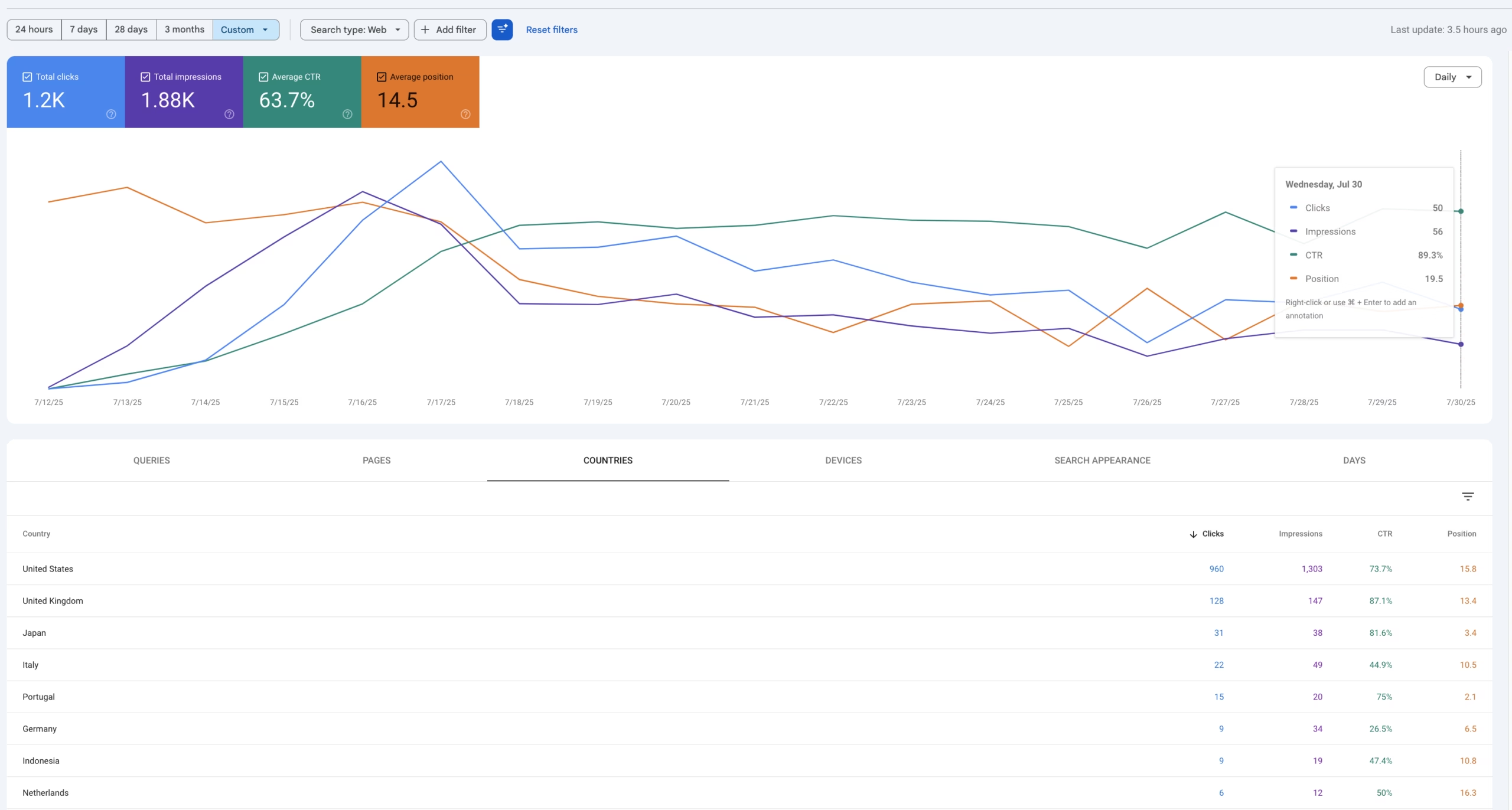
In Google Search Console for the sprint window, performance moved from a near-zero baseline into real momentum:
- 1.2K clicks
- 1.88K impressions
- 63.7% CTR
- Avg position: 14.5
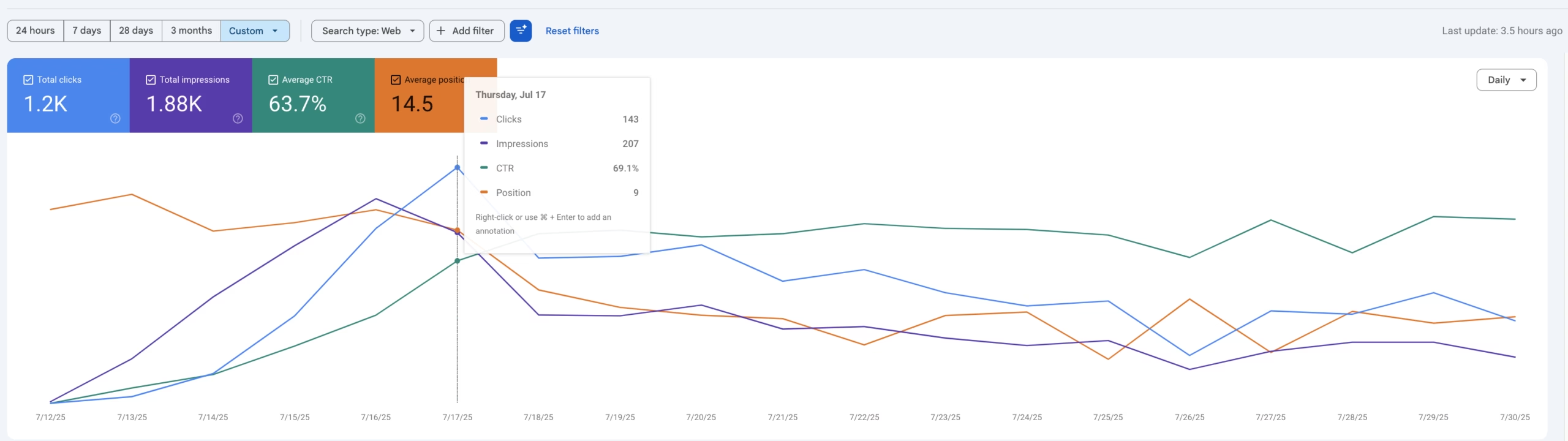
And the early surge point was very clear: by Jul 17, the site hit 143 clicks in a day with ~position 9 on average which is a strong signal that the pages weren’t just indexed, they were competitive. And their visibility was holding well above their starting baseline.
2) Proof Our Strategy Reduced Reliance on Google
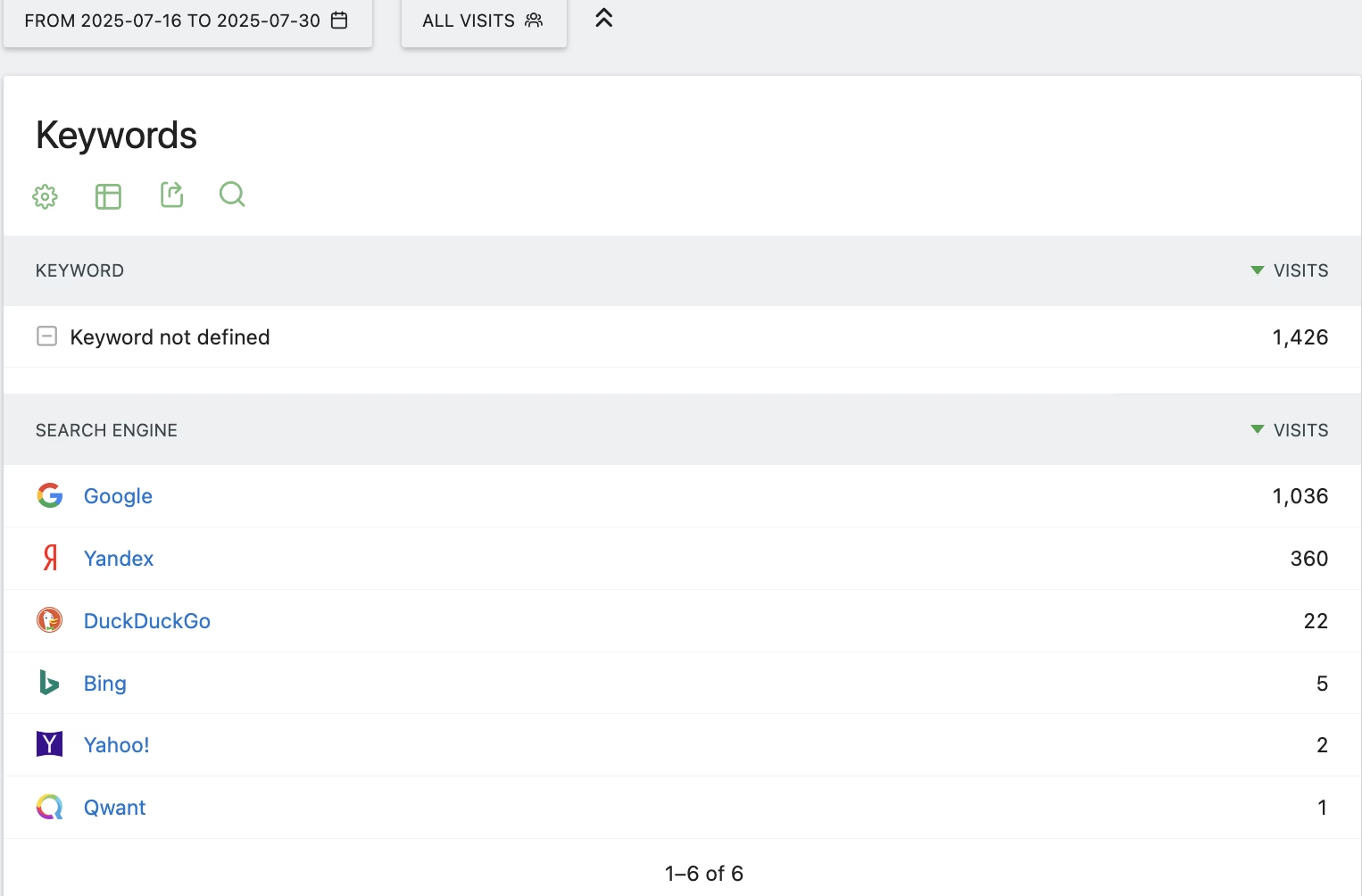
In the tracked analytics window (Jul 16–30) 4 days after we started, the client generated 1,426 visits, and the key detail is where those visits came from:
- Google still delivered volume (1,036)
- But non-Google engines materially contributed, led by Yandex (360), plus additional traffic from DuckDuckGo, Bing, Yahoo, and Qwant.
That’s exactly the point of the sprint: when Google is strong, life is great. But when Google cools off, you still have other engines picking up the signal and sending traffic.
3) International Reach Showed Immediately
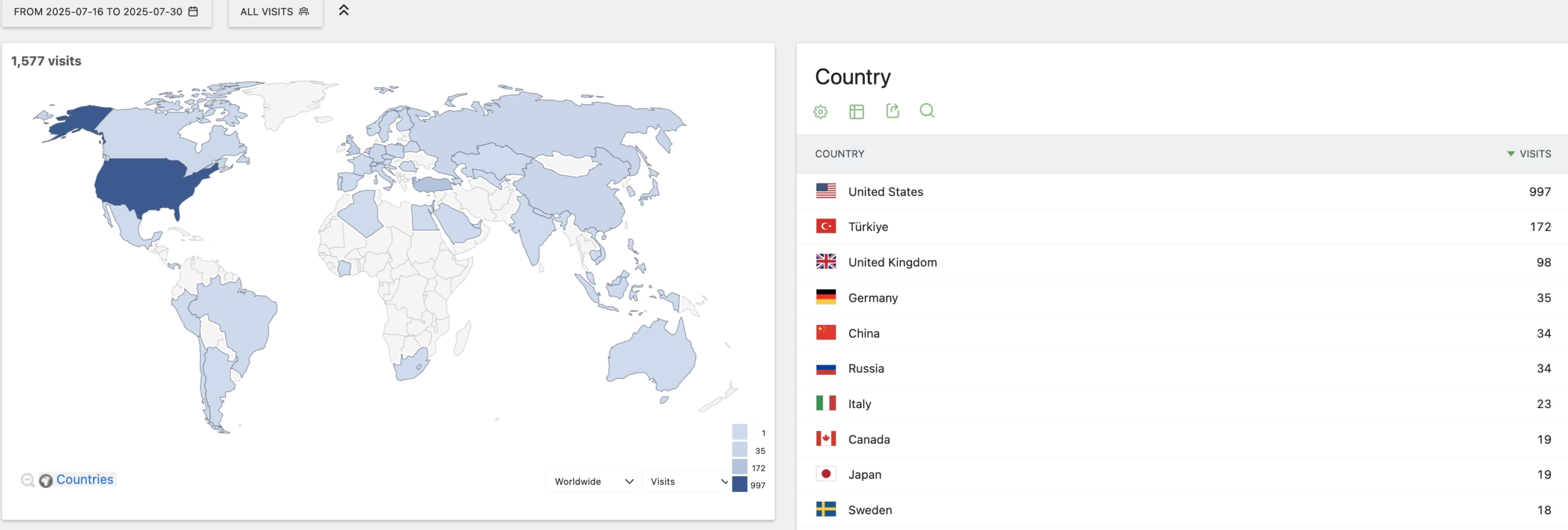
Traffic was not confined to one market. In the same period, visits came from:
- United States (997)
- Türkiye (172)
- United Kingdom (98)
- plus other countries including Germany, China, Russia, Italy, Canada, Japan, Sweden, and more.
This mattered because the client didn’t want to be dependent on one platform or one geography.
4) Rank Footprint Established
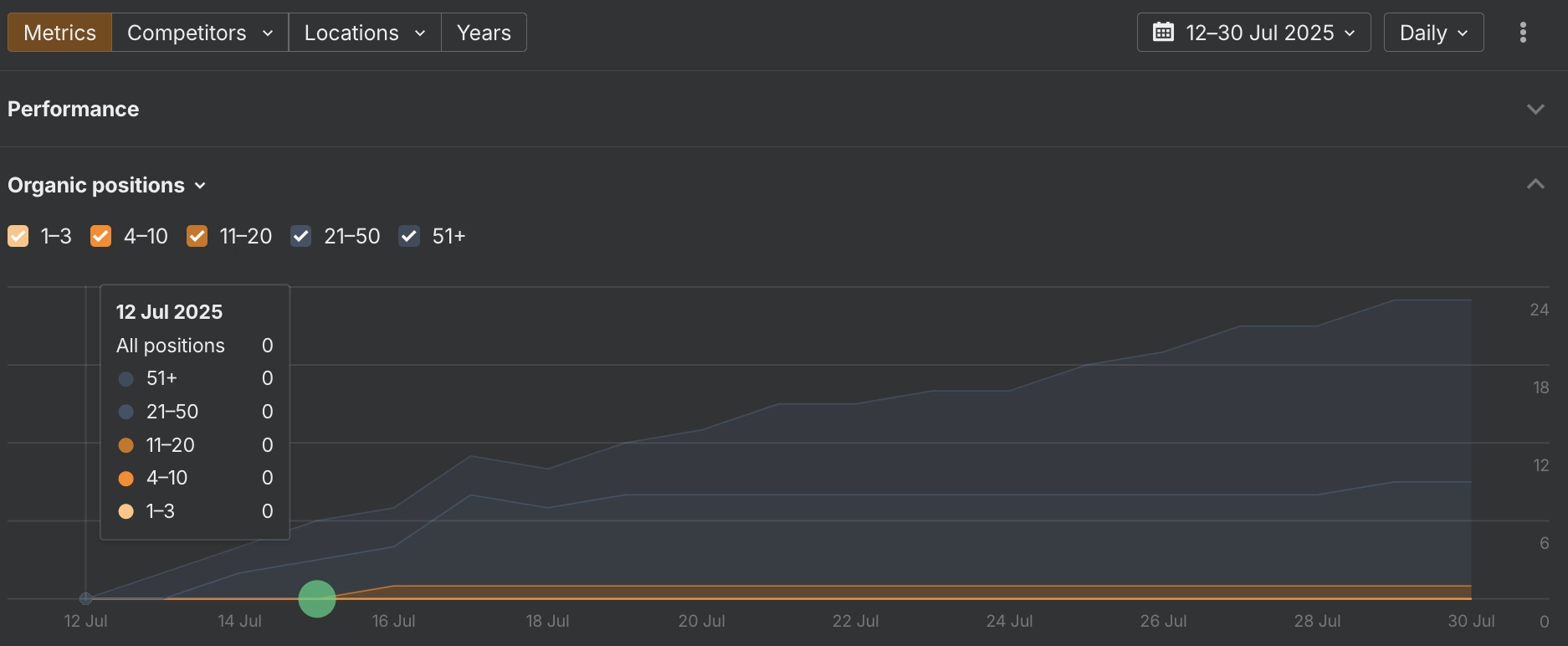
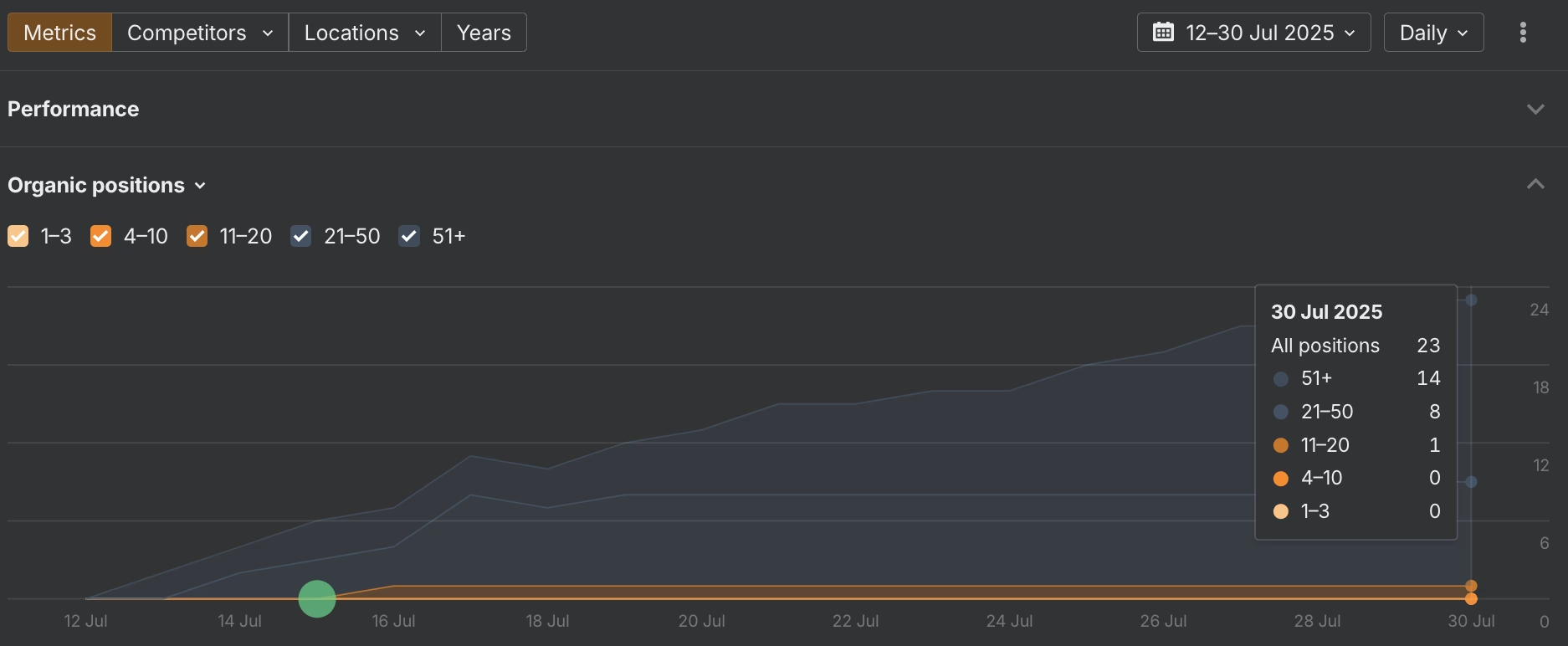
By the end of our first engagement with this client, their tracked keyword footprint grew to 23 total positions:
- 8 keywords in positions 21–50
- 1 keyword already in 11–20
- with the remainder building outside the top 50 (normal during the first wave)
This is the exact shape you want before pushing harder: first you build the footprint, then you push winners into top 20 → top 10.
The Initial Engagement Takeaway
The inital engagement proved the model: a fast SEO deployment sprint can create a real traffic surge while also building protection against Google volatility. Even as Google traffic fluctuates, alternative engines (especially Yandex) started picking up the site which aligned perfectly with the client’s “Reduce Google Dependence” goal.
Does Your Website Need Extra Visibility?
Let’s talk about it 😊

Part 2 (Aug 21–Sep 2, 2025): US + UK Push & Further Reduce Google Dependence
After the first sprint proved we could create a fast traffic surge and get non-Google engines to start contributing traffic, the client hired us again! This time with a clearer commercial objective:
- Geos: prioritize United States + United Kingdom (to match their best converting customers)
- Channel goal: keep pushing search engines outside of Google so traffic doesn’t live/die by one algorithm
The Outcomes of Our Relaunch SEO Surge Campaign
1) Google Search Console: Impressions Exploded + Clicks Followed
In just 13 days, Google organic visibility ramped up hard:
- 73.5K impressions
- 566 clicks
- Avg position: 7.1 (page-one territory)
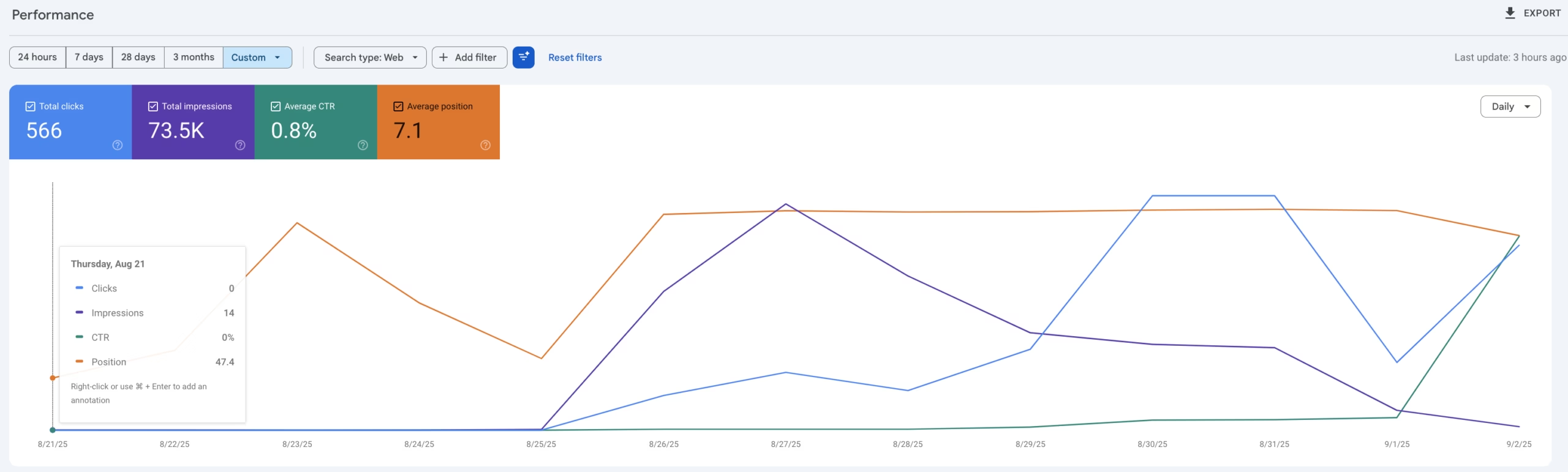
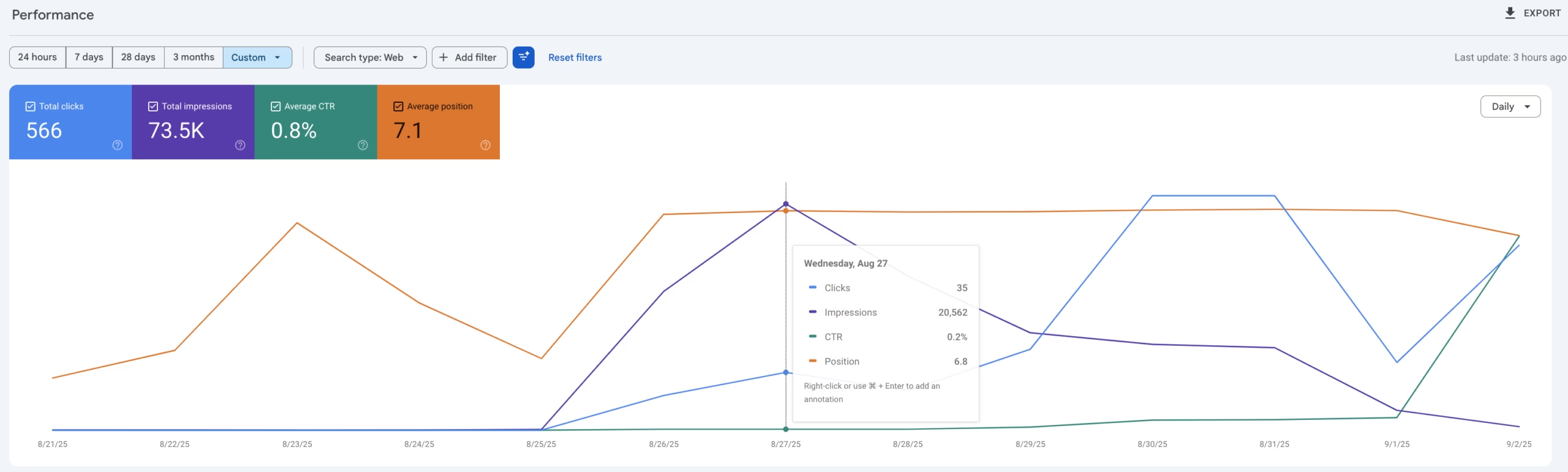
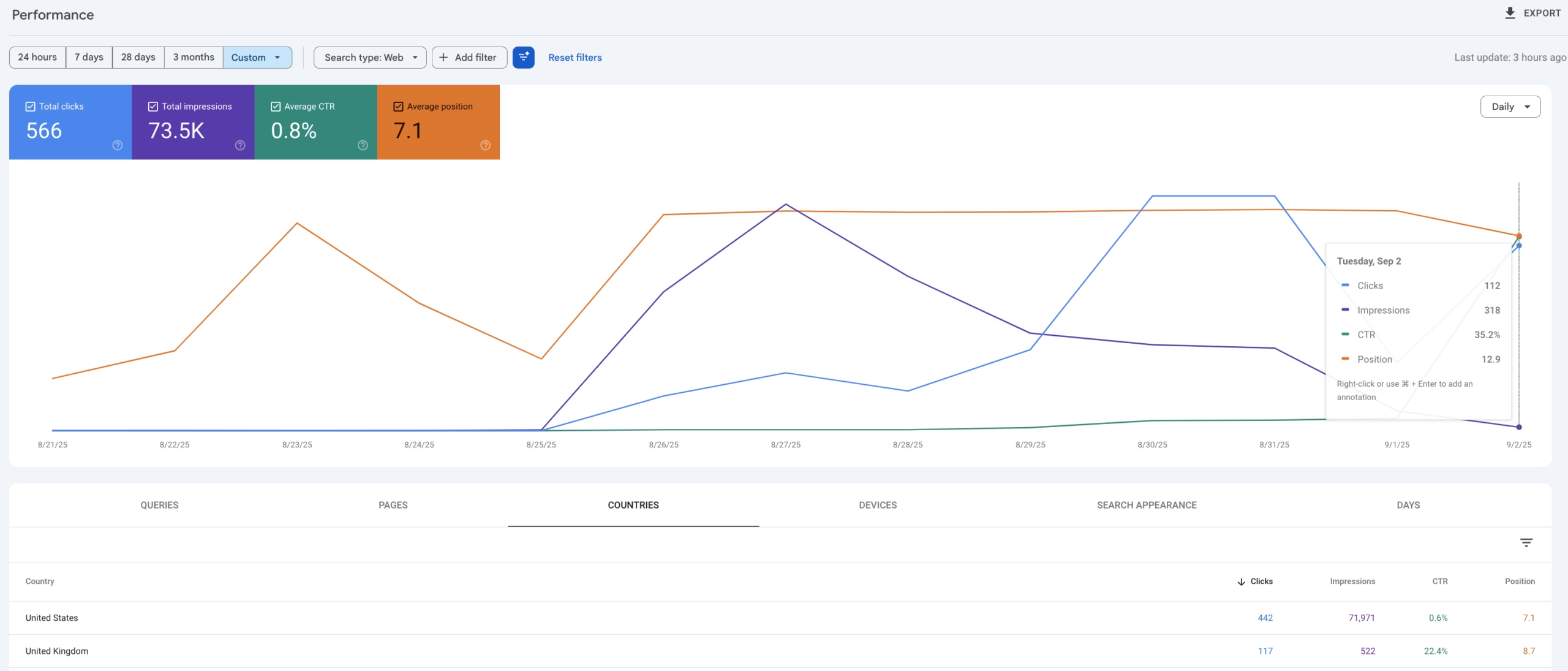
And you can actually see the “lift” inside the date range:
- On Aug 21, visibility basically started from scratch (0 daily clicks / 14 daily impressions / average position ~47.4)
- By Aug 27, the site hit a major distribution spike (20,562 daily impressions, average position 6.8, plus 35 daily clicks)
- By Sep 2, traffic matured into higher-intent clicks (112 daily clicks, with 35.2% CTR)
Why this matters: impressions are the earliest proof the site is being served for more queries. Once impressions jump and average position improves, clicks become much easier to scale.
2) Analytics (Geo Performance): Target Market Traffic Increased
During this window, tracked website visits totalled 765, and the traffic map confirms the exact targeting objective:
Top countries by visits:
- United States: 448 [Target]
- United Kingdom: 121 [Target]
- Then smaller pockets (India 35, Türkiye 17, Germany 13, Netherlands 11, Canada 10, China 9, Mexico 8, Italy 6)
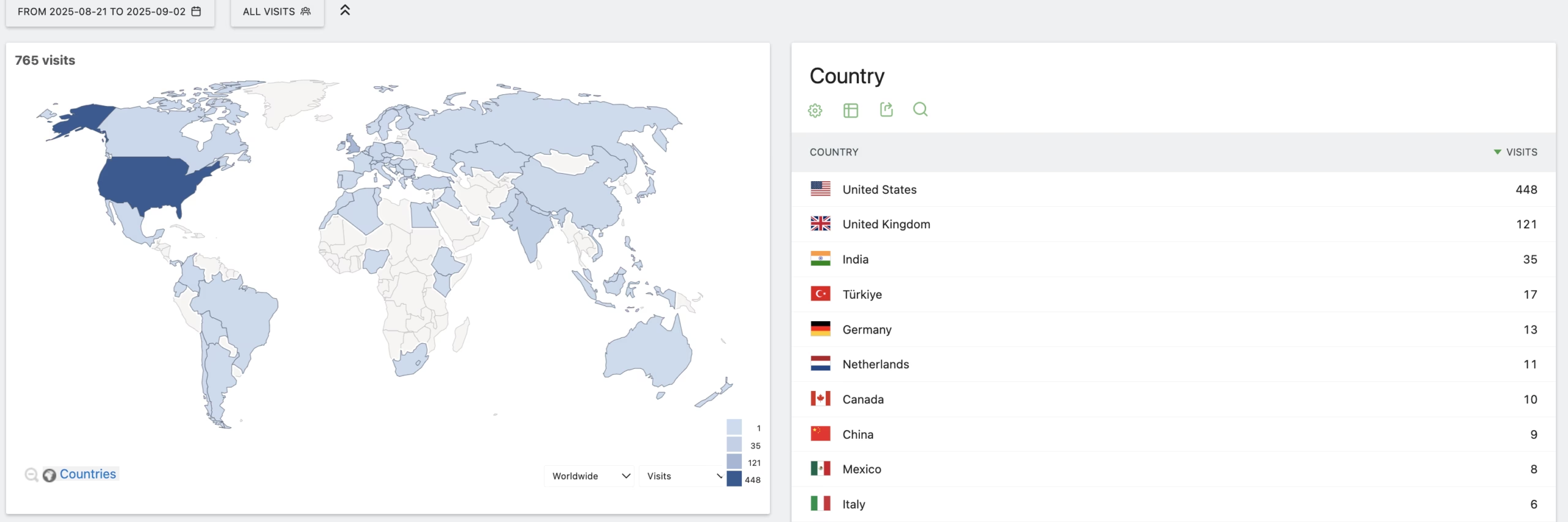
Translation: the SEO push didn’t just grow traffic, it grew the right traffic for the campaign’s goal.
3) Search Engine Diversification: Non-Google Search Engines Contributed Meaningful Volume
This sprint continued the “reduce Google dependence” goal. Search engine visits broke down as:
- Google: 457
- Yandex: 78
- DuckDuckGo: 67
- Brave: 56
- Bing: 16
- Yahoo: 5 (+ smaller long-tail engines)
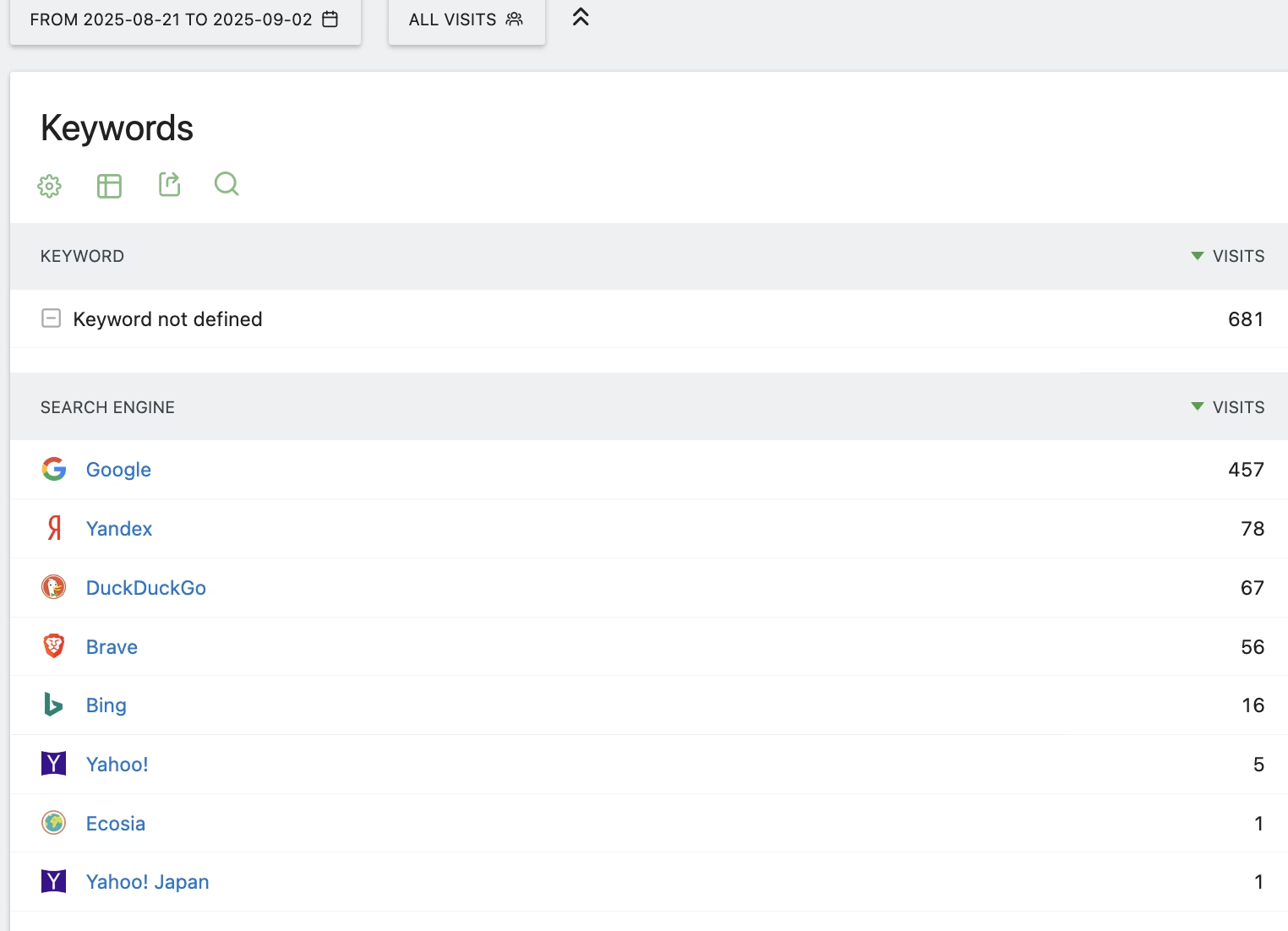
That’s 224 visits from non-Google engines in 13 days – exactly what the client hired us for (visibility that keeps working even when Google is volatile).
4) Rankings Footprint: Big Jump in Top 10 / Top 20 Coverage
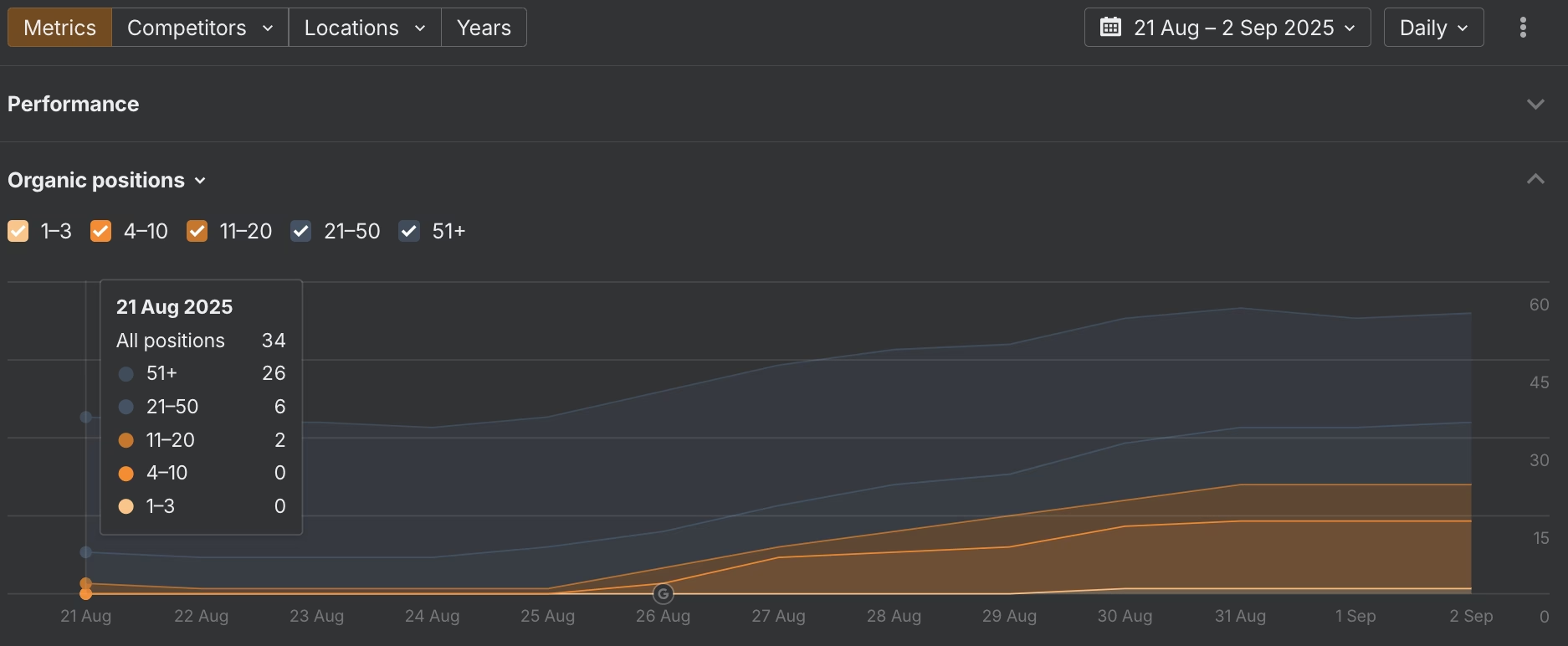
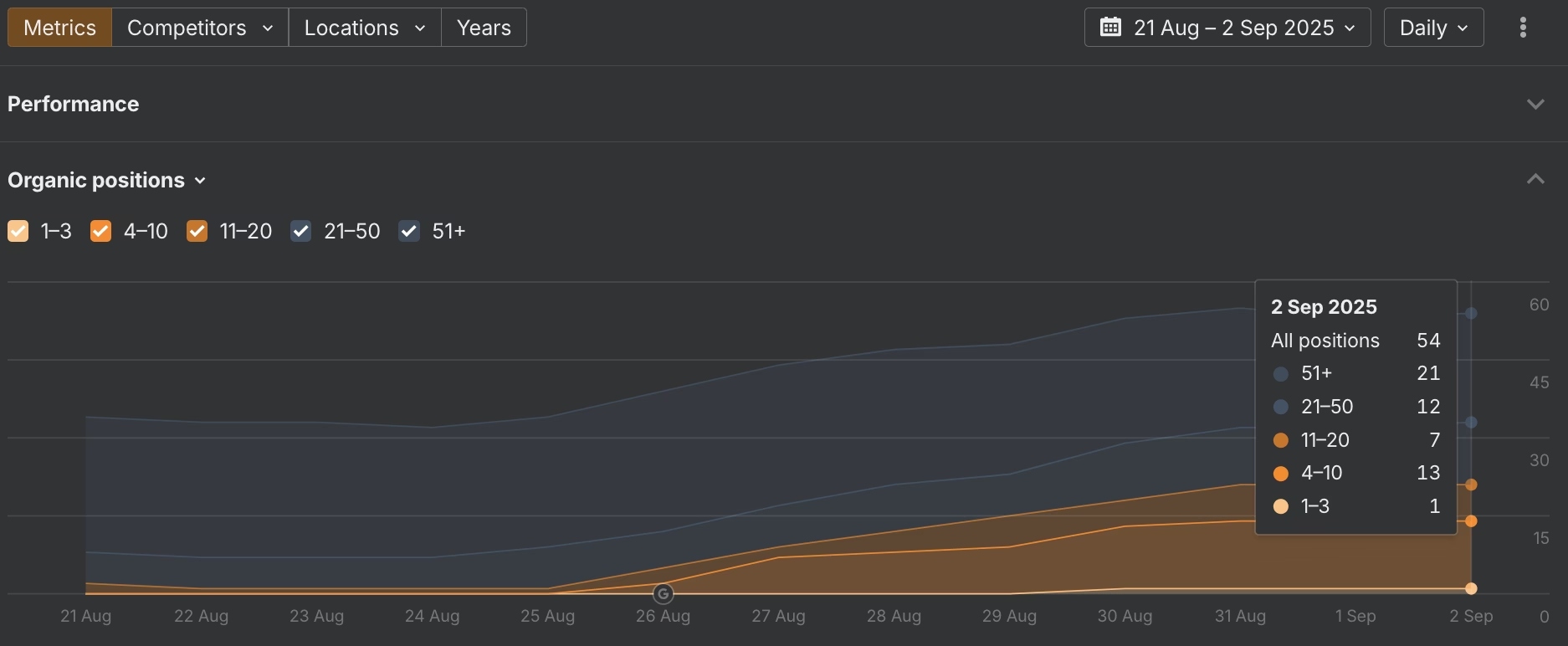
This sprint also shows a clean Keyword Footprint Expansion pattern:
- Aug 21: 34 total ranking positions
- 0 in Top 10
- 2 in positions 11–20
- Sep 2: 54 total ranking positions
- 14 in the Top 10 (13 in 4–10, 1 in 1–3)
- 21 in the Top 20 (Top 10 + 11–20)
That’s the compounding effect: once you stack content + links correctly, rankings don’t just improve… they multiply across clusters.
What We Did During the Relaunch SEO Surge Engagement
This second engagement was built to be tactical and fast:
- Content production targeted to US + UK intent (aligned with what the client was actively promoting)
- On-page improvements to improve impressions-to-clicks (titles/snippets, internal linking, topical alignment)
- Backlink velocity + authority signals to accelerate movement into Top 20, then Top 10
- Multi-engine discoverability mindset so alternative engines could also crawl, understand, and send traffic (and they did)
Two-part Case Study Summary
Across two short SEO Surges, we took the website from near-zero visibility to a multi-engine traffic engine with measurable compounding signals: Part 1 created the initial surge and proved we could generate demand beyond Google; Part 2 scaled that foundation into US + UK-aligned growth, pushing Google visibility to 73.5K impressions + 566 clicks while also generating 224 non-Google visits (Yandex/DuckDuckGo/Brave/Bing). The end result wasn’t just more traffic – it was a stronger keyword footprint, more Top 10 coverage, and less dependence on one platform.